

2026 marks a turning point for electrification and software-defined vehicles. This guide explains the most anticipated car releases of 2026 across electric vehicles (EVs), hybrids and plug-in hybrids, luxury performance models, and reimagined SUVs and trucks, translating technical advances into consumer-relevant takeaways. Many buyers face uncertainty about range, charging infrastructure, software updates and long-term ownership costs; this article addresses those concerns with model-by-model highlights, comparative tables, and buyer checklists. You will find quick specs for leading EVs, clear summaries of hybrid and luxury offerings, a technology primer on solid-state batteries and SDV architectures, and practical decision frameworks for different driving needs.
What Are the Most Anticipated Electric Vehicles Coming in 2026?
Electric vehicles dominate the 2026 release calendar by combining extended ranges, faster charge architectures, and more integrated software features. Manufacturers are prioritising platforms that support 800-volt architectures and prepare for next-generation batteries, which directly improve charging time and usable range for everyday drivers. The consumer benefit is simple: shorter recharge stops and greater real-world usability, especially for long-distance travel and fleet applications. Below is a prioritised list of the EV models expected to define 2026 and a short note about why each matters to buyers, suitable for quick comparison or featured-snippet style reference.
- Kia EV4: Expected to deliver long-range capability suitable for families and daily commuters.
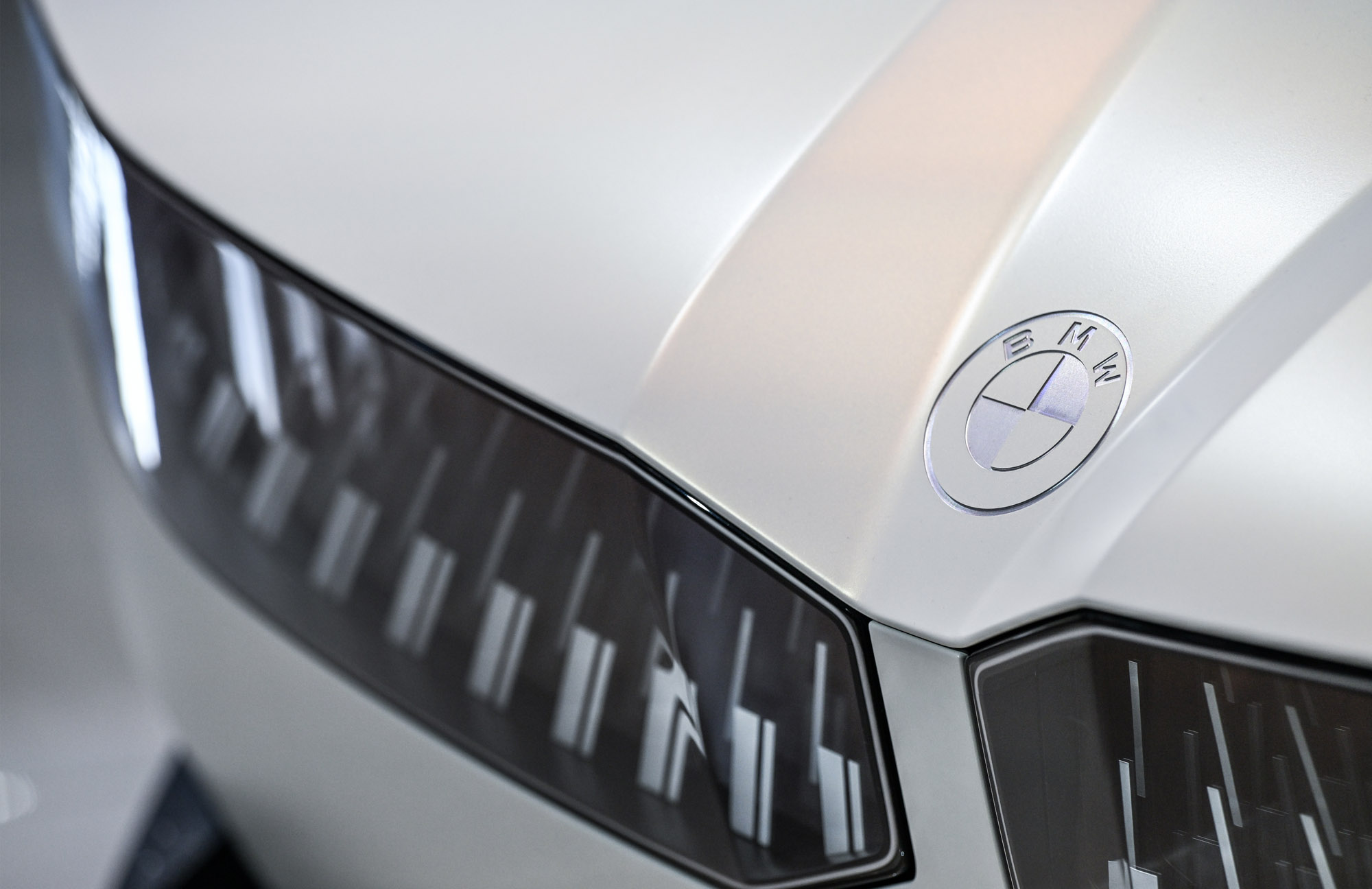
- BMW Neue Klasse (electric variants): Platform-level redesign emphasising efficiency and software updates.
- Rivian R2: Compact electric SUV aimed at utility and off-road versatility.
- Ferrari Purosangue EV (concept-to-production models): Performance EV SUV with high-output electrified powertrains.
- Rivian R1 successor / updates: Focus on towing and battery thermal management.
These models show a mix of mainstream range improvements and niche performance or utility targets. Buyers should compare estimated range, charge architecture, and release timing when prioritizing purchases; the table below provides a concise EAV-style comparison for quick reference.This table summarizes key consumer-facing specs for several headline EVs expected in 2026.
| Model | Notable Attribute | Expected Consumer Value |
|---|---|---|
| Kia EV4 | Expected Range | ~300+ mi (manufacturer target); suitable for daily driving and longer trips |
| BMW Neue Klasse (electric) | Platform / Architecture | Neue Klasse platform with emphasis on efficiency and OTA software upgrades |
| Rivian R2 | Body Type / Capability | Compact electric SUV with practical payload and off-road-oriented features |
| Ferrari Purosangue EV | Performance Focus | High-output electrified powertrain prioritizing acceleration and handling |
This comparison highlights how range, platform, and vehicle purpose affect buyer choice across EV segments. Use these attributes to narrow selections by commute length, charging access, and desired utility.
Which Key Electric Car Models Define the 2026 EV Revolution?
Key 2026 EVs showcase advances in platform efficiency, charge speed, and software-defined features that alter daily ownership expectations. The Kia EV4 targets broadly useful range and accessible pricing to bring long-range capability to mainstream buyers, making it a practical family option that reduces range anxiety. BMW\u2019s Neue Klasse electric derivatives prioritize software and modular hardware, enabling ongoing feature enrichment via over-the-air updates and an emphasis on component-level efficiency. Rivian\u2019s R2 positions itself as a compact utility EV with improved payload and real-world towing considerations, appealing to buyers who need capability in a smaller footprint. High-performance entrants such as Ferrari\u2019s Purosangue EV concentrate on electrified power density and bespoke software for dynamic driving, attracting performance buyers who want EV acceleration without sacrificing character. Each model represents a different buyer trade-off range versus performance versus utility and understanding those trade-offs helps match purchase choices to real use cases.
How Do Solid-State Batteries and 800-Volt Architecture Enhance 2026 EVs?
Solid-state batteries and 800-volt electrical architectures deliver two distinct consumer advantages: higher energy density and faster charging capability, respectively. Solid-state batteries replace liquid electrolytes with solid materials, which can increase energy per kilogram and improve safety, translating to longer range and potentially smaller battery packs for equivalent range. Meanwhile, 800-volt systems reduce current for the same power level, enabling higher charging speeds with less heat generation and better thermal management during fast-charging sessions. For drivers, these advances mean reduced charging time, fewer range-related compromises, and improved battery longevity under heavy use. Comparing these to current li-ion packs highlights potential benefits: faster DC fast-charge sessions and more consistent range under demanding conditions.While solid-state batteries promise significant advancements, their commercialisation still faces critical challenges related to performance and economic viability, as recent research indicates.
| Technology | Benefit | Consumer Impact |
|---|---|---|
| Solid-state batteries | Higher energy density & safety | Longer trips between charges and improved pack durability |
| 800-volt architecture | Faster DC charging & reduced heat | Shorter charging stops and improved thermal control |
| Advanced thermal management | Consistent performance under load | Better sustained range for towing or performance driving |
Translating these technologies into buying decisions requires assessing expected availability and real-world implementations rather than theoretical maximums; choose models that deliver verified performance improvements.
Which Hybrid and Plug-in Hybrid Models Are Launching in 2026?
Hybrid and plug-in hybrid electric vehicles (PHEVs) remain a practical bridge for buyers balancing range flexibility and fuel economy. Hybrids combine internal combustion engines with electric motors to lower real-world fuel use, while PHEVs add a battery large enough for meaningful electric-only commuting, mitigating range anxiety without requiring full BEV infrastructure. The 2026 crop emphasizes larger electric-only ranges, smarter energy management integrated with software-defined vehicle features, and improved packaging that preserves cargo space. Below is a compact list of notable hybrids and their selling points to help buyers target models aligned to their driving patterns.The foundational principles of vehicle electrification, particularly concerning hybrids and PHEVs, have been a strategic focus for manufacturers for over a decade, as highlighted by early research.
Electrification: Hybrids, PHEVs, and E-REVs ABSTRACT: A key element of General Motors' Advanced Propulsion Technology Strategy is the electrification of the automobile. The objectives of this strategy are reduced fuel consumption, reduced emissions and increased energy security/diversification. The introduction of hybrid vehicles was one of the first steps as a result of this strategy. To determine future opportunities and direction, an extensive study was completed to better understand the ability of Plug-in Hybrid Electric Vehicles (PHEV) and Extended-Range Electric Vehicles (E-REV) to address societal challenges. The study evaluated real world representative driving datasets to understand actual vehicle usage. Vehicle simulations were conducted to evaluate the merits of PHEV and E-REV configurations. As derivatives of conventional full hybrids, PHEVs have the potential to deliver a significant reduction in petroleum usage. The electrification of the automobile: from conventional hybrid, to plug-in hybrids, to extended-range electric vehicles, 2008
- Toyota RAV4 Prime: Extended electric-only range for daily commutes and family duties.
- Honda (new hybrid entries): Emphasis on system efficiency and hybrid packaging improvements.
- Other mainstream manufacturers: Increasing battery capacities in PHEVs to allow more EV-first miles.
These hybrid entries illustrate manufacturers strategy to extend electric range in PHEVs while keeping conventional fuelling convenience. The next subsection gives model feature specifics for standout hybrids and practical use-case recommendations.
What Are the Features of Leading 2026 Hybrid Cars Like Toyota RAV4 Prime?
Leading 2026 hybrids focus on larger battery capacities, electric-only ranges suited for commutes, and refined powertrain integration that improves fuel economy without complex charging routines. The Toyota RAV4 Prime, for example, is positioned to deliver substantial EV-only miles for urban and suburban users while retaining gasoline backup for long trips, reducing fuel dependency. Hybrid systems now feature better regenerative braking calibration, improved thermal management for battery durability, and smarter energy routing controlled via increasingly sophisticated vehicle software. For buyers, these features translate into lower daily fuel costs, flexible long-distance capability, and reduced maintenance for braking systems due to effective regeneration. Families and commuters will find PHEVs attractive when local routes fall within the EV-only window and occasional long trips are common.
How Are Hybrid Technologies Evolving in 2026 Models?
Hybrid technology in 2026 is evolving through larger battery packs, more efficient e-motors, and deeper software integration for energy management. Manufacturers increasingly adopt higher-voltage hybrid systems and optimized eAxles to reduce parasitic losses and improve packaging, enabling greater EV-only operation without sacrificing interior space. Integration with SDV principles means vehicle software can adapt energy use to driver patterns, optimizing when to deploy electric power for maximal efficiency. Marketwise, hybrids are being positioned as transitional technology for buyers who need electric benefits today but face limited charging access. This evolution widens hybrid appeal across varied buyer profiles by improving electric-range utility and lowering lifecycle fuel costs.
What Luxury and Performance Cars Are Releasing in 2026?
Luxury and performance segments in 2026 emphasize electrified powertrains, bespoke software experiences, and premium materials to justify their positioning while embracing new architectures. High-end brands are integrating SDV features, advanced ADAS, and tailored subscription services to extend revenue models beyond the initial sale. Performance models increasingly use electrification as a torque and power multiplier, pairing batteries with high-output electric motors and hybrid boost strategies to enhance acceleration and handling characteristics. The following list captures key luxury and performance releases buyers should watch for 2026 and the technology elements that set them apart.
- Ferrari Purosangue EV: Electrified powertrain delivering high power density.
- Lamborghini and other supercar electrified variants: Hybrid boosts for track and road.
- Mercedes-AMG / high-performance EV Sedans: Software-tuned driving modes and dynamic control.
These entries illustrate how luxury manufacturers apply electrification not only for efficiency but as a performance enabler and a platform for unique digital services. The next subsections highlight flagship model innovations and how luxury brands embed advanced technologies into their offering.
Which High-End Models Showcase Innovation and Power in 2026?
Flagship 2026 models blend electrified propulsion with bespoke hardware to deliver unique driving experiences and premium service ecosystems. High-end EVs and hybrids use electrification for immediate torque delivery and enhanced chassis control, often paired with active aerodynamics and advanced cooling systems to sustain performance. Manufacturers differentiate through custom software stacks that tune driving dynamics, infotainment, and comfort settings in ways that can be updated post-sale. For buyers seeking exclusive ownership experiences, these cars offer both sensory performance and continual software-driven feature enrichment. Choosing among them depends on priorities: raw track capability, luxury comfort, or digitally enabled personalization.
How Do 2026 Luxury Cars Integrate Advanced Automotive Technologies?
Luxury brands are early adopters of SDV architectures, OTA ecosystems, and advanced ADAS suites, integrating these technologies into curated service models and subscription features. In practice, that means high-end vehicles can receive performance-enhancing updates, new convenience features, or security improvements long after purchase, extending perceived value. Connectivity standards such as 5G and vehicle-to-everything (V2X) are being leveraged for enhanced navigation, concierge services, and safety features, while bespoke hardware like integrated LiDAR may support higher autonomy levels. Buyers must weigh ongoing subscription costs and data/privacy policies against enhanced functionality when considering long-term ownership of luxury models.
How Are SUVs and Trucks Redefined in the 2026 Car Releases?
SUVs and trucks in 2026 are being redefined by electrification, lightweight materials, and manufacturing innovations that boost capability while reducing environmental impact. Electric pickups and utility SUVs bring battery thermal management, improved payload integration, and enhanced towing modes that preserve range under load. Sustainability enters beyond electrification via recyclable materials, gigacasting for fewer parts, and more efficient manufacturing workflows. Below is a short list of notable utility models and their core selling points to help buyers judge capability versus efficiency.
- Rivian R2: Compact electric SUV with improved efficiency and towing-oriented software modes.
- Ford updates: Electrified versions focusing on payload and thermal resilience.
- Subaru and other crossover EVs: Emphasis on off-road competence combined with EV practicality.
Understanding how these vehicles balance range, towing, and payload is essential for buyers whose usage patterns include heavy loads or off-road use; the table below compares select utility-focused releases using EAV-style attributes.This table highlights utility attributes buyers often prioritize for SUVs and trucks.
| Model | Attribute | Value / Consumer Relevance |
|---|---|---|
| Rivian R2 | Body Type | Compact electric SUV designed for utility and daily usability |
| Rivian R1 successors | Towing / Payload | Improved towing modes and thermal management under load |
| Electrified pickups | Battery / Durability | Emphasize pack cooling and longevity for heavy-duty usage |
These comparisons show how manufacturers tune electric utility vehicles for practical use rather than theoretical peak range, which is crucial when carrying cargo or towing.
What Are the Notable 2026 SUV and Truck Models to Watch?
Standout 2026 utility vehicles emphasize real-world capability, such as range retention when towing, bed and cargo integration with power management, and off-road-specific energy profiles. Rivian\u2019s R2 aims to combine a smaller footprint with meaningful payload capacity, making it attractive to urban buyers who still need utility. Major pickup lines are extending electrified variants with reinforced thermal systems and software-managed towing assist to preserve battery life during heavy use. Crossovers from mainstream brands prioritize packaging improvements and battery placement that maintain cabin and cargo space while delivering acceptable electric-only range. Buyers should examine towing ratings, payload specs, and real-world range test results rather than manufacturer headline figures.
How Do New Utility Vehicles Incorporate Sustainability and Technology?
Utility vehicles are incorporating sustainability through material choices, modular manufacturing, and energy-efficient subsystems that extend vehicle lifespan. Gigacasting and larger single-piece components reduce part counts and improve structural efficiency, while recycled materials and greener interior trims lower lifecycle environmental impact. Technological integration such as adaptive thermal management and smart charging modes enhances battery durability under load and reduces long-term replacement risk. For consumers, these measures can translate into lower total cost of ownership and better resale value for vehicles designed with both capability and sustainability in mind.
What Emerging Automotive Technologies Will Shape 2026 Car Releases?
Emerging technologies such as software-defined vehicles (SDV), OTA updates, and advanced autonomy stacks are central to 2026 models and change how features are delivered across a vehicle's lifecycle. SDVs decouple vehicle capability from static hardware by enabling ongoing software evolution that can improve efficiency, safety, and customer experience post-sale. Over-the-air updates allow manufacturers to patch, optimize, or add features without dealer visits, while connectivity advances like 5G and V2X improve situational awareness and infotainment. The following bulleted list summarizes the high-impact technologies and their direct consumer benefits for quick reference.The increasing importance of Over-the-Air (OTA) updates in software-defined vehicles for delivering new services, improving security, and fixing bugs is a key area of ongoing development.
OTA Updates for Software-Defined Vehicles Over-the-Air (OTA) updates on the Software Defined Vehicle (SDV) are becoming increasingly important for providing new services and features, improving security, and fixing bugs. An efficient OTA update system was designed to enable agile updates of SDV services, leveraging the 5G network and current Software Defined Network (SDN). Over-the-air updates for software defined vehicle services with ipfs, P Almeida, 2024
- Software-Defined Vehicles (SDV): Enable continuous feature delivery and personalization.
- Over-the-Air (OTA) Updates: Provide security patches and performance tweaks without service visits.
- Level 3 Autonomy and ADAS Improvements: Reduce driver workload on qualified routes.
These technologies change ownership expectations by shifting some value from hardware to ongoing software support. The table below lists core technologies and the principal consumer impacts to aid comparison.
| Technology | Benefit | Direct Consumer Impact |
|---|---|---|
| SDV / OTA | Feature growth post-sale | New or improved capabilities without hardware changes |
| Solid-state batteries | Higher energy density | Longer range and improved safety |
| Level 3 autonomy | Conditional hands-off driving | Reduced driver workload in certified scenarios |
How Do Software-Defined Vehicles and Over-the-Air Updates Transform 2026 Cars?
Software-defined vehicles transform cars into evolving platforms where capabilities can be added or refined after purchase through OTA updates. This architecture separates the vehicle's core hardware from its feature set, allowing manufacturers to iterate on driver assistance, efficiency algorithms, and infotainment experiences over time. For consumers, the benefits include receiving improvements without physical upgrades and the potential for personalization that adapts to driving habits. However, this model also introduces considerations around data privacy, cybersecurity, and potential subscription fees for ongoing features. Buyers should evaluate manufacturer update policies, security practices, and included update periods when choosing a 2026 model.
What Advances in Autonomous Driving and Connectivity Are Expected in 2026?
Autonomy and connectivity in 2026 trend toward practical, incremental improvements: expanded Level 2+ capabilities and selective Level 3 implementations in controlled environments. Sensor stacks combining cameras, radar, and increasingly affordable LiDAR improve perception, while AI-driven software refines decision-making at higher speeds and in complex traffic. Connectivity advances like 5G and V2X support real-time data exchange for traffic-aware routing and cooperative safety functions. For drivers, these developments promise smoother highway driving, smarter traffic responses, and improved safety margins; however, full hands-off autonomy remains limited to specific conditions and certified zones, making realistic expectations paramount.
What Should Buyers Consider When Choosing a 2026 Car Model?
Choosing among EV, hybrid, and ICE options in 2026 requires assessing daily driving patterns, charging access, budget constraints, and the expected role of software in long-term ownership. The decision framework below helps buyers map priorities commute distance, access to home or public charging, desire for towing/utility, and tolerance for subscription-based features to the most appropriate powertrain class. Total cost of ownership, including energy/fuel costs, maintenance expectations, and resale prospects, should weigh heavily in the decision, particularly as software and battery warranties influence long-term value. The following checklist condenses the primary factors into actionable items to guide selection.
- Commute and Mileage: Determine average daily mileage to evaluate whether EV range covers routine needs.
- Charging Access: Confirm home or workplace charging availability and local fast-charger density.
- Budget and Incentives: Compare upfront cost plus expected fuel/electricity savings over ownership.
- Use Case: Assess towing, payload, and cargo requirements against EV utility specs.
- Software and Ownership Model: Review OTA policy, subscription features, and warranty coverage.
This checklist helps buyers prioritize trade-offs between convenience, cost, and capability. After weighing these technical and financial factors, many purchasers reach the practical step of personalizing their new vehicle identity through private plates or transfers, which is an administrative consideration tied to ownership.For buyers planning to register or personalise a new 2026 vehicle, private plates and plate transfers are commonly used to retain registration identity or personalise a new car. Transferring a private plate to a newly purchased 2026 vehicle typically involves verifying entitlement, completing the relevant registration transfer process, and ensuring the receiving vehicle meets jurisdictional requirements. Buyers should plan this transfer in parallel with purchase paperwork to avoid delays at registration and confirm any timing restrictions that might apply during handover. Professional plate transfer services or official registration guidance can streamline the process and clarify fees, eligibility, and documentation needed for a smooth transfer.
How to Decide Between Electric, Hybrid, and Internal Combustion Engine Cars in 2026?
A clear decision flow for 2026 starts by matching driving patterns to powertrain strengths: EVs for predictable daily ranges and charging access, PHEVs for mixed driving where occasional long trips occur, and ICE or mild-hybrid systems where charging is impractical. Compare total cost of ownership over expected holding periods rather than just purchase price; consider incentives and projected energy costs. Evaluate resale and depreciation trends for each powertrain in your market, remembering that software and battery warranties significantly affect residual values. Finally, prioritize models whose real-world range and charging performance meet your typical use rather than idealized manufacturer figures.
What Impact Will New Technologies Have on Ownership and Maintenance?
New technologies shift maintenance patterns from mechanical to software and battery-centric concerns: fewer oil and filter changes for EVs, but increased attention to battery health, software subscription costs, and cybersecurity updates. OTA updates can reduce recall frequency and deliver post-sale improvements, but they also introduce potential subscription fees and data/privacy trade-offs that affect ongoing ownership costs. Warranty terms for batteries and software support become central to long-term value; buyers should review coverage durations and conditions. Service networks are also evolving to confirm local dealer or third-party EV servicing options for diagnostics and battery support before purchase.For readers interested in keeping vehicle identity during ownership transitions, learning how to transfer private plates to a new car is a practical step; ensure documentation is prepared and that any timing constraints around registration are understood to avoid delays. Professional assistance or official registration resources can clarify local rules and fees to complete the transfer efficiently.This final buyer-oriented guidance underscores the need to balance technical capability, practical access to charging and servicing, and administrative tasks like plate transfers when choosing a 2026 model.