

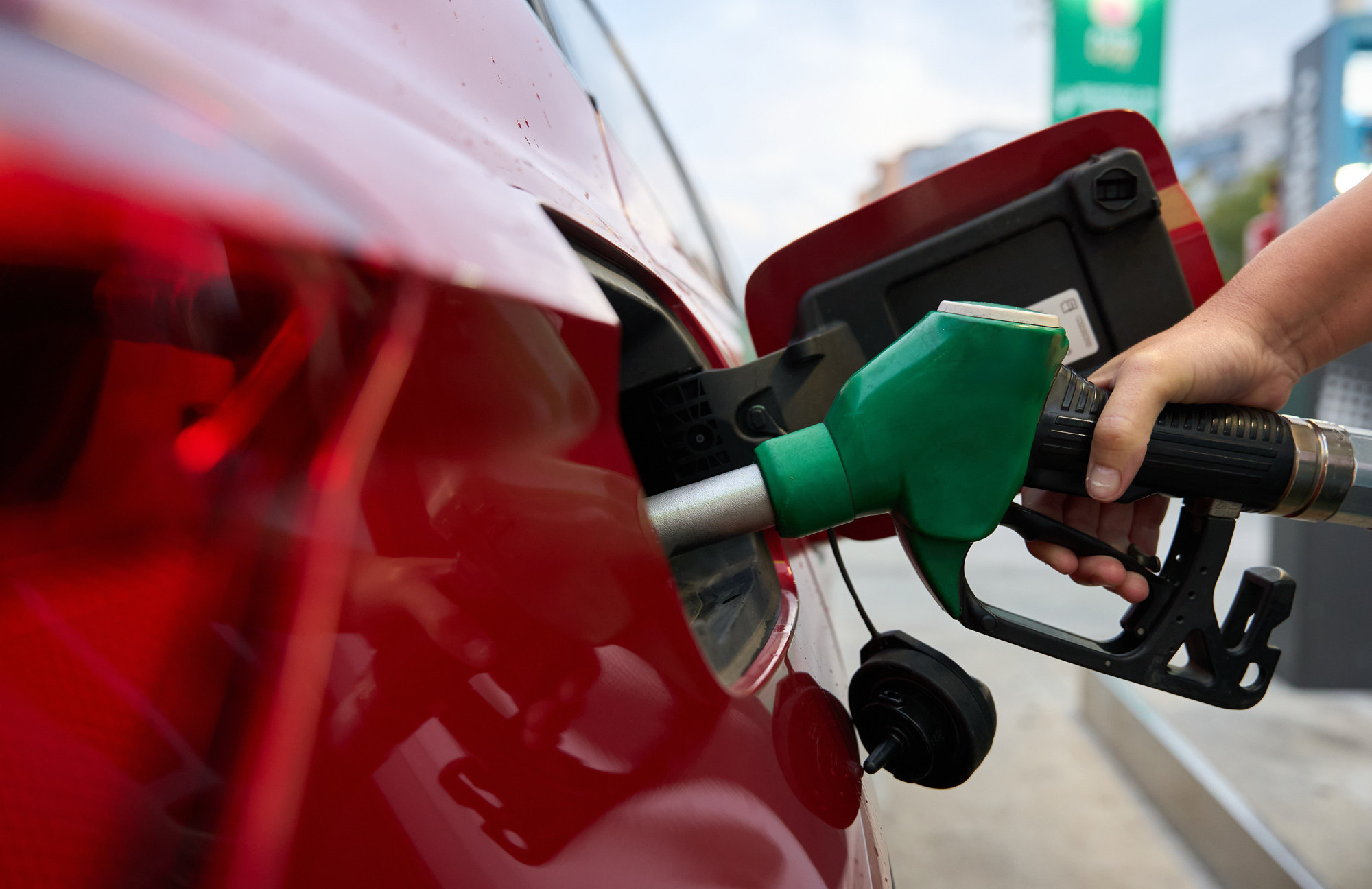
Petrol prices in the UK have surged sharply, leaving many drivers worried about what's next. The conflict in Iran has disrupted fuel supplies, pushing current fuel costs to levels not seen in years. If you're feeling the pinch at the pump, you're not alone, and the impact of conflict on petrol prices could mean even higher costs ahead. Let's break down what's driving these price hikes and what future petrol price predictions look like.
Why Are Petrol Prices in the UK Climbing So Fast?
You've probably noticed it when you've pulled up to fill your tank lately. Petrol prices UK wide have been climbing at an alarming rate, and it's not just a coincidence. The ongoing Iran war and fuel prices are directly connected, and it's causing a ripple effect across the global oil market.
Iran plays a massive role in global oil production. When tensions escalate in the region, oil supplies get disrupted, and that sends prices soaring. Think about it like this: when there's less of something available, the price goes up. It's basic supply and demand, but when it comes to fuel, we all feel it straight away in our wallets.
The situation isn't just about Iran's own oil production either. The conflict has created uncertainty about shipping routes through the Strait of Hormuz, a critical passage for global oil transport. When that route's threatened, oil companies get nervous, and prices spike.
How Much Have Current Fuel Costs Actually Increased?
Let's talk numbers because that's what really matters when you're budgeting for your weekly shop and commute. Current fuel costs have jumped significantly over recent months. We're seeing prices that many drivers haven't experienced since the last major energy crisis.
Unleaded petrol has been hitting levels that make us all wince. Some forecourts are charging well above what we were paying just six months ago. Diesel's in the same boat, which is particularly tough for those who rely on it for work vehicles or longer commutes.
What's particularly frustrating is how quickly these changes happen. One week you're paying one price, and the next, it's shot up by several pence per litre. When you're filling a typical family car, those pence add up to pounds very quickly.
The Direct Link Between Iran War and Fuel Prices
So how exactly does the Iran war and fuel prices connection work? It's not as simple as just Iran producing less oil. The geopolitical tensions create what economists call 'risk premium' in oil markets. Basically, traders and oil companies start pricing in the possibility of further disruptions, which pushes prices higher even before actual supply is affected.
When conflict breaks out in a major oil-producing region, countries start scrambling to secure their energy supplies. This competitive buying drives prices up across the board. The UK, whilst not directly dependent on Iranian oil, still feels the impact because we're part of a global market. When prices rise globally, they rise here too.
There's also the matter of sanctions and trade restrictions that come with conflict. These limit where oil can flow and who can buy it, creating bottlenecks in the supply chain that push costs higher.
What Do Future Petrol Price Predictions Look Like?
Right, here's the bit you're probably most concerned about. What can we expect going forward? Future petrol price predictions aren't exactly cheerful, but it's better to know what might be coming so you can plan ahead.
Most analysts reckon we're not at the peak yet. If the conflict continues or escalates, we could see petrol prices UK wide climbing even higher. Some forecasts suggest we might see increases of another 10 to 15 pence per litre over the coming months if tensions don't ease.
The good news? Well, markets do eventually stabilise. If diplomatic solutions emerge or alternative supply routes are secured, we could see prices level off or even drop slightly. But don't expect a return to pre-conflict prices anytime soon.
What Can You Do About Rising Fuel Costs?
Whilst we can't control the impact of conflict on petrol prices, there are ways to soften the blow. Consider these practical steps:
Shop around for the cheapest fuel in your area. Apps and websites can help you find the best prices locally. Even saving a few pence per litre adds up over time.
Think about your driving habits. Combining trips, reducing unnecessary journeys, and driving more efficiently can all help reduce your fuel consumption. Smooth acceleration and maintaining steady speeds make a real difference.
If you're in the market for a new vehicle, fuel efficiency might suddenly be higher on your priority list. Smaller engines or hybrid options could save you a fortune at the pump.
And here's a thought: whilst you're worrying about fuel costs eating into your budget, have you considered that your car itself could be an investment opportunity? Private number plates hold their value remarkably well and can even appreciate over time. It's a way to add value to your vehicle that isn't affected by petrol prices. Just something to think about whilst you're planning your finances around these rising costs.
Keeping Perspective During Uncertain Times
Look, nobody enjoys paying more for petrol. It's frustrating, it's worrying, and it affects everything from your daily commute to your holiday plans. But understanding why petrol prices UK wide are rising helps you make informed decisions about your spending and driving habits.
Stay informed about the situation, keep an eye on forecasts, and adjust your plans where you can. We're all in this together, navigating these choppy waters as best we can.